


Filter by:
-

Darlinghurst Gaol
Author: Paul Irish Darlinghurst Gaol began construction in 1822 and was opened in 1841 to replace the ageing and overcrowded Sydney Gaol on George Street near Circular Quay. It took…
-

Barcom Glen
Author: Paul Irish The dense forest of houses below St Vincent’s Hospital, Darlinghurst obscures the landscape that existed there for nearly a century after the arrival of Europeans in Sydney.…
-

Elizabeth Town
In the mid-1810s, at the same time as Governor Lachlan Macquarie was waging war on the Aboriginal people of south-western Sydney, he tried to encourage Aboriginal people along the coast…
-

Richard Hill’s House
Author: Paul Irish From the 1820s to the 1920s, a red brick cottage existed on Bent Street between Macquarie and Phillip streets. The house was built by the family of…
-

The Rushcutters Bay settlement
Author: Paul Irish Most of the harbourside bays of Sydney’s eastern suburbs contained Aboriginal settlements at different periods throughout the 19th century. Bayside reclamation works since that time have removed…
-

St Mary’s Cathedral
Author: Paul Irish When Australia’s first two Catholic priests arrived in Sydney in 1820, many Aboriginal people around Sydney had already been exposed to the ideas of the Christian religion.…
-

Woolloomooloo Bay
Author: Paul Irish Woolloomooloo is the name given to the Yurong Creek valley located immediately east of Sydney Town and the Domain, which later became Sydney’s first suburb. In 1793,…
-

Observatory Hill
At over 40 metres above sea level, Observatory Hill is the most elevated point in Sydney. It’s at the crest of the rocky ridge that separates Sydney Cove to the…
-

Blackwattle Creek
Author: Paul Irish and Tamika Goward Blackwattle Creek was originally a tidal watercourse that flowed from swampy lands that are now within the grounds of the University of Sydney. The…
-

Aboriginal sites on Goat Island
Author: Paul Irish and Tamika Goward Goat Island is a small rocky landmass in the waters of Sydney Harbour. It was inhabited by early colonial Aboriginal identity Bennelong and his…
-

Moore Park Campsite
Author: Paul Irish and Tamika Goward An Aboriginal campsite was discovered in 2014 beneath the car park of the Moore Park Tennis Centre. It was unearthed during archaeological excavations brought…
-
Tinker’s Well
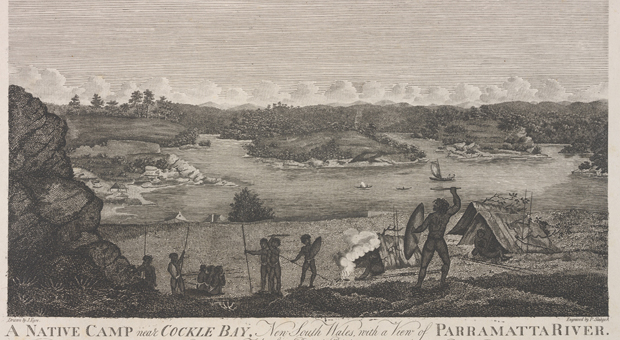
Author: Paul Irish and Tamika Goward All people depend on fresh water to live, and so it is usually the case that reliable sources of water known to Aboriginal people…
-
Moores Wharf Midden
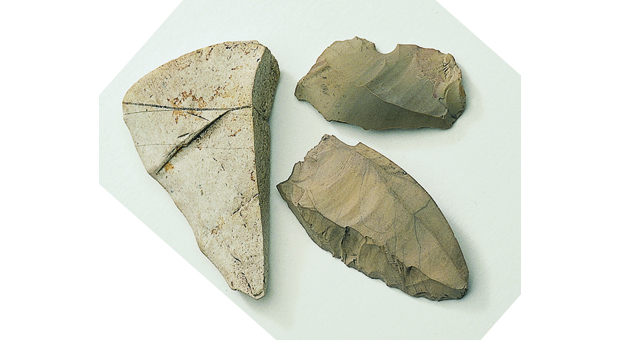
Author: Paul Irish and Tamika Goward In the late 1970s, the NSW Maritime Services Board began to redevelop the Moores Wharf area at Millers Point on the end of the…
-

Moore Park Engraving
Author: Paul Irish and Tamika Goward On a slab of sandstone just outside Centennial Park there were once some Aboriginal engravings. Rock engravings were produced when Aboriginal people carved them…
-

Yurong Cave and Yurong Midden
Author: Paul Irish and Tamika Goward Yurong Point is known today as the site of Mrs Macquarie’s Chair, a seat carved from stone in the 1810s so Governor Lachlan Macquarie’s…
-

William Street
Author: Paul Irish and Tamika Goward In 1925, a stone axe was found more than five metres below the surface during construction work at the corner of William and Riley…
-

St Mary’s Cathedral Hatchet
Author: Paul Irish and Tamika Goward An Aboriginal stone axe head, also called a ‘ground-edge hatchet’, was found in a road cutting behind St Mary’s Cathedral in 1876. The hatchet…
-

The KENS Site
Author: Paul Irish and Tamika Goward In 2003, archaeologists discovered a large Aboriginal campsite in the western part of central Sydney. It was named the KENS Site after the surrounding…
-

Junction Lane Campsite
Author: Paul Irish and Tamika Goward In 1997, an Aboriginal campsite was discovered at Junction Lane in Woolloomooloo during archaeological excavations ahead of the construction of the Eastern Distributor motorway.…
-

Conservatorium of Music
Author: Paul Irish and Tamika Goward In 1998, some Aboriginal stone artefacts were found during archaeological excavations ahead of the redevelopment of the Sydney Conservatorium of Music on Macquarie Street.…
-

Wynyard Walk campsite
Author: Paul Irish and Tamika Goward During archaeological excavations associated with the construction of the Wynyard Walk pedestrian link in mid-2014, a small Aboriginal campsite was located. The campsite consisted…
-

Darling Walk Midden
Author: Paul Irish and Tamika Goward In 2009 archaeologists found an Aboriginal campsite, or ‘midden’, on the eastern side of Cockle Bay (Darling Harbour) in an area known as the…
-

Government Boatsheds
The government’s Marine Board boatsheds were on the eastern side of Circular Quay at Bennelong Point, just to the south of Fort Macquarie and the Sydney Rowing Club boatsheds. Around 18…
-
Dawes Point / Tar-Ra
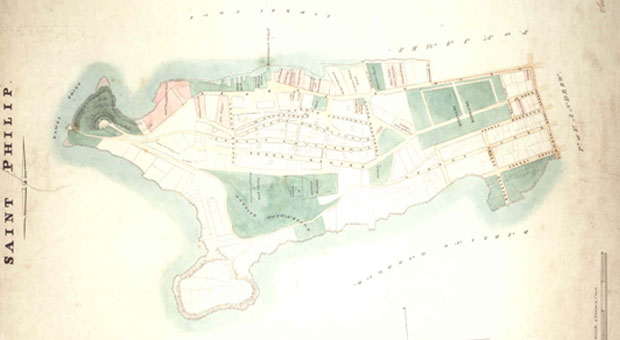
Author: Paul Irish and Tamika Goward The Aboriginal name for the peninsula on the western side of Sydney Cove is Tar-Ra. It is also known as Dawes Point because it…
-

Sydney Cove / Warrane
The Aboriginal name for Sydney Cove as recorded in a number of First Fleet journals, maps and vocabularies, was Warrane, also spelt as War-ran, Warrang and Wee-rong. This place is…